PRE TREATMENT

Bar Screen

Product Details

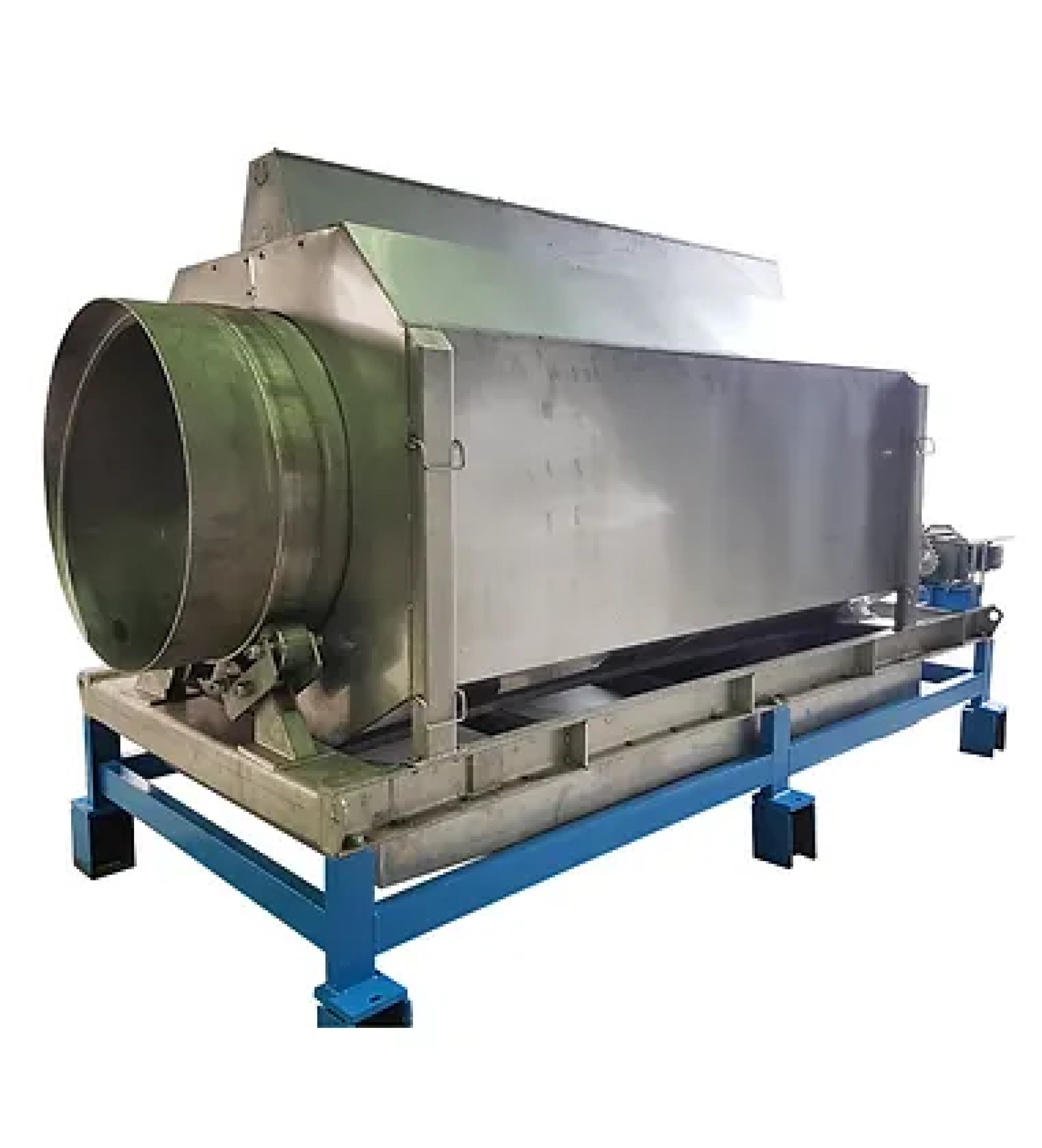
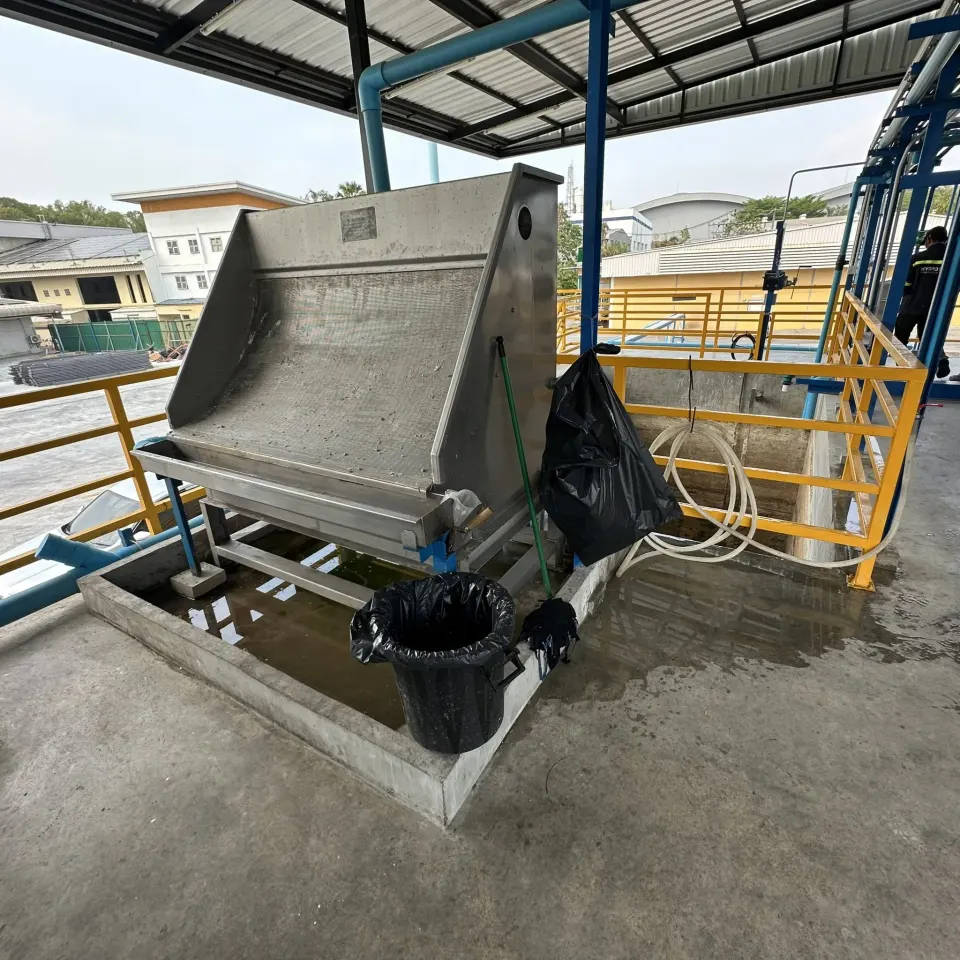
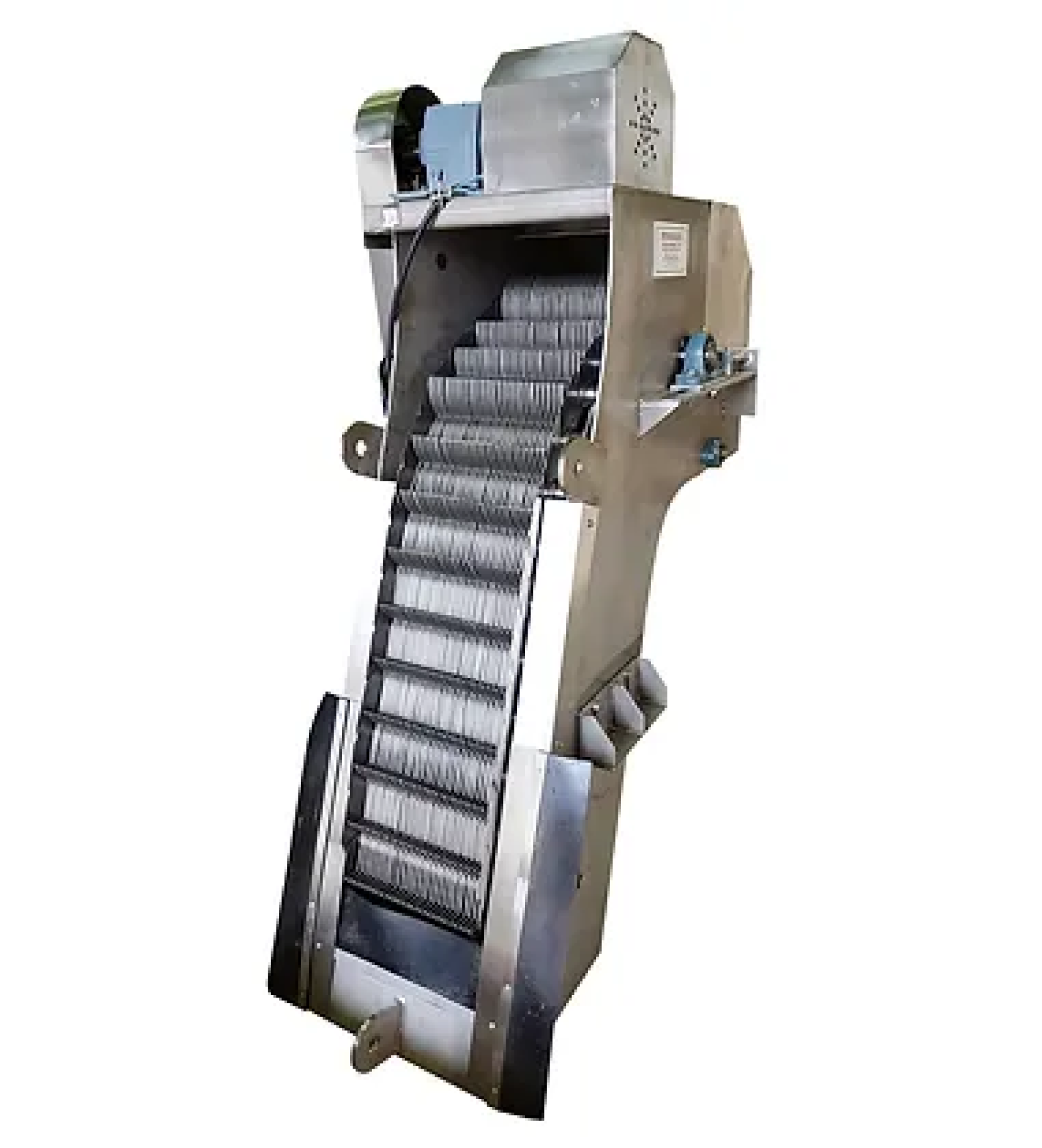
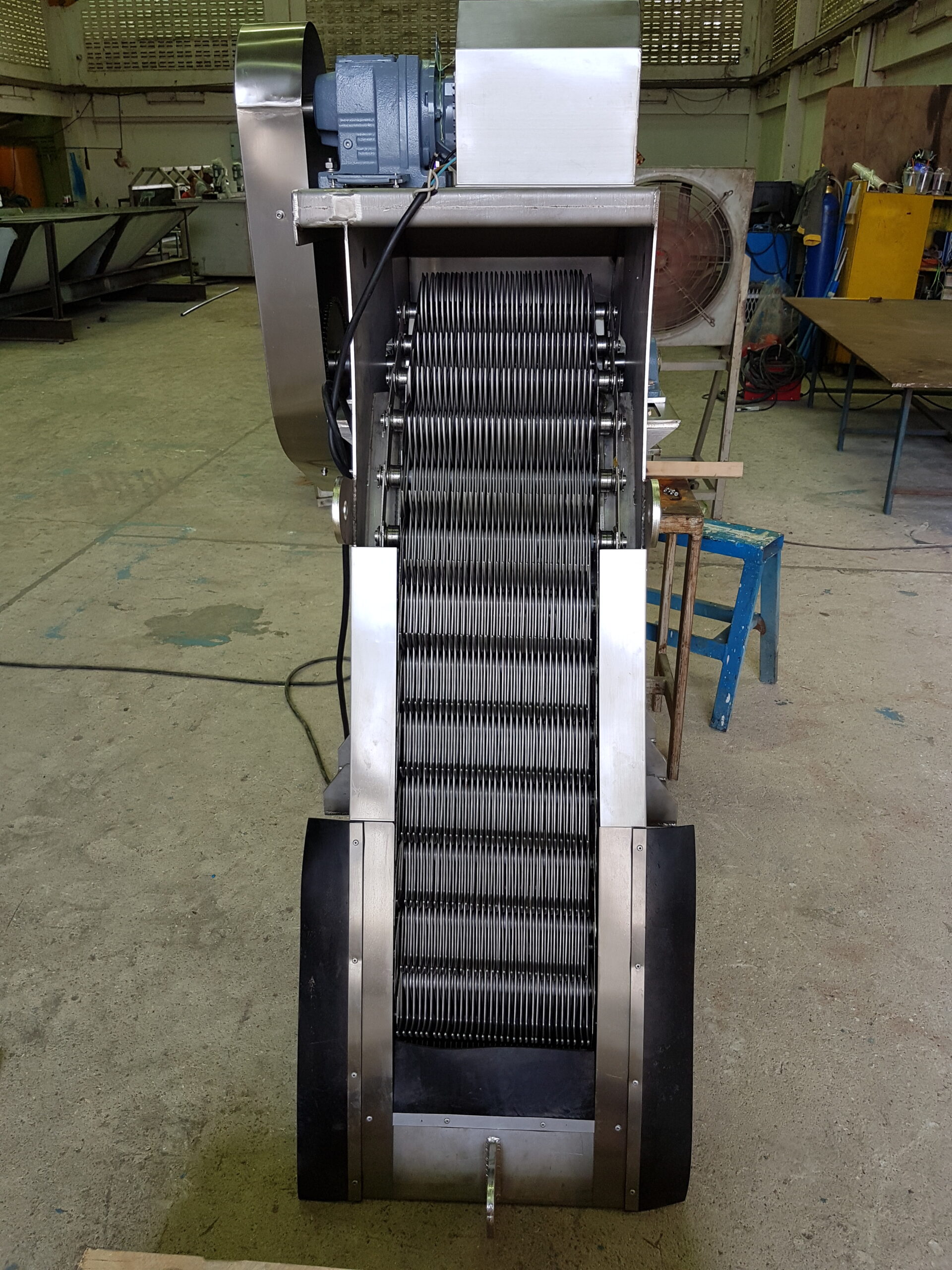
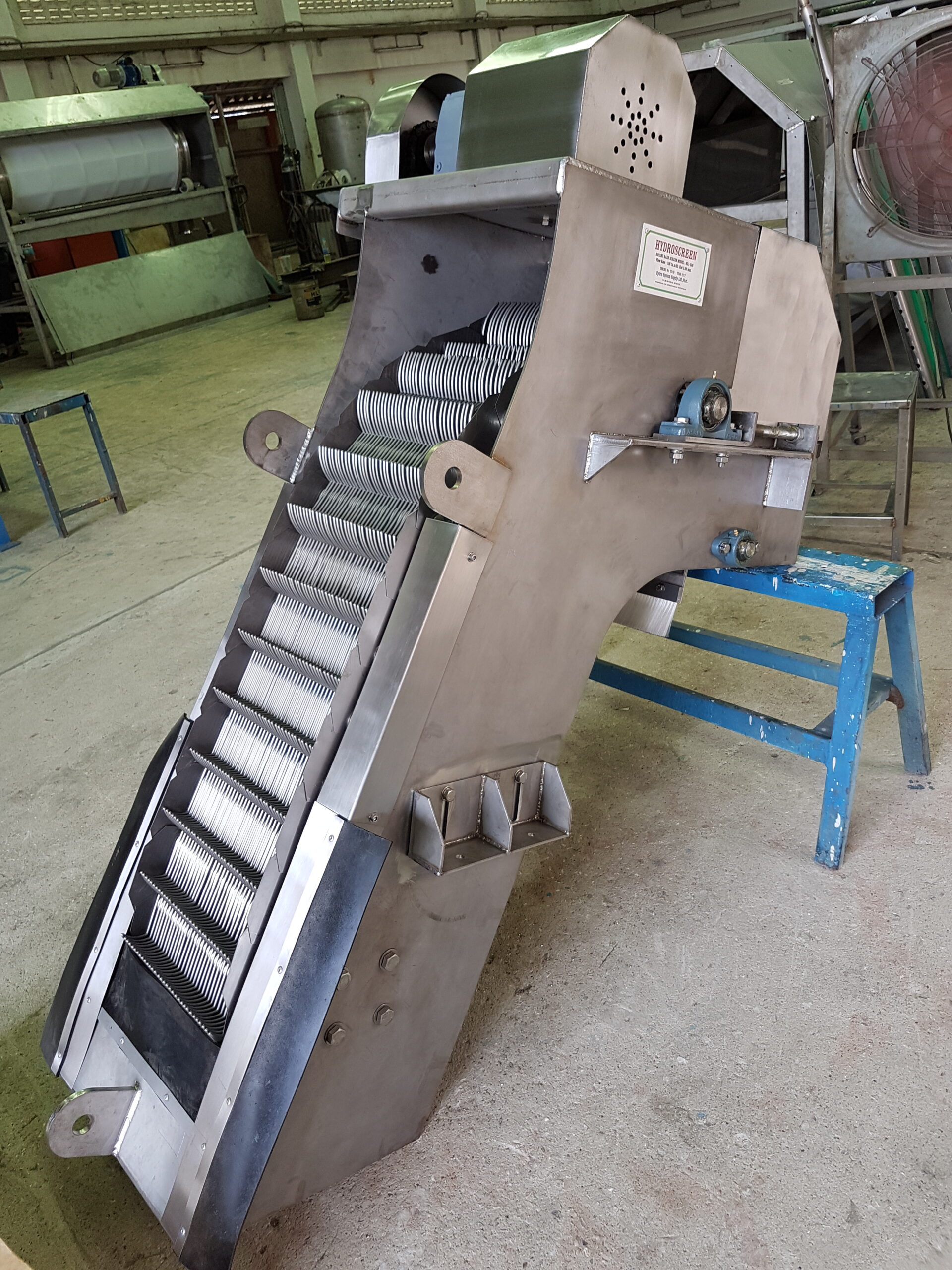
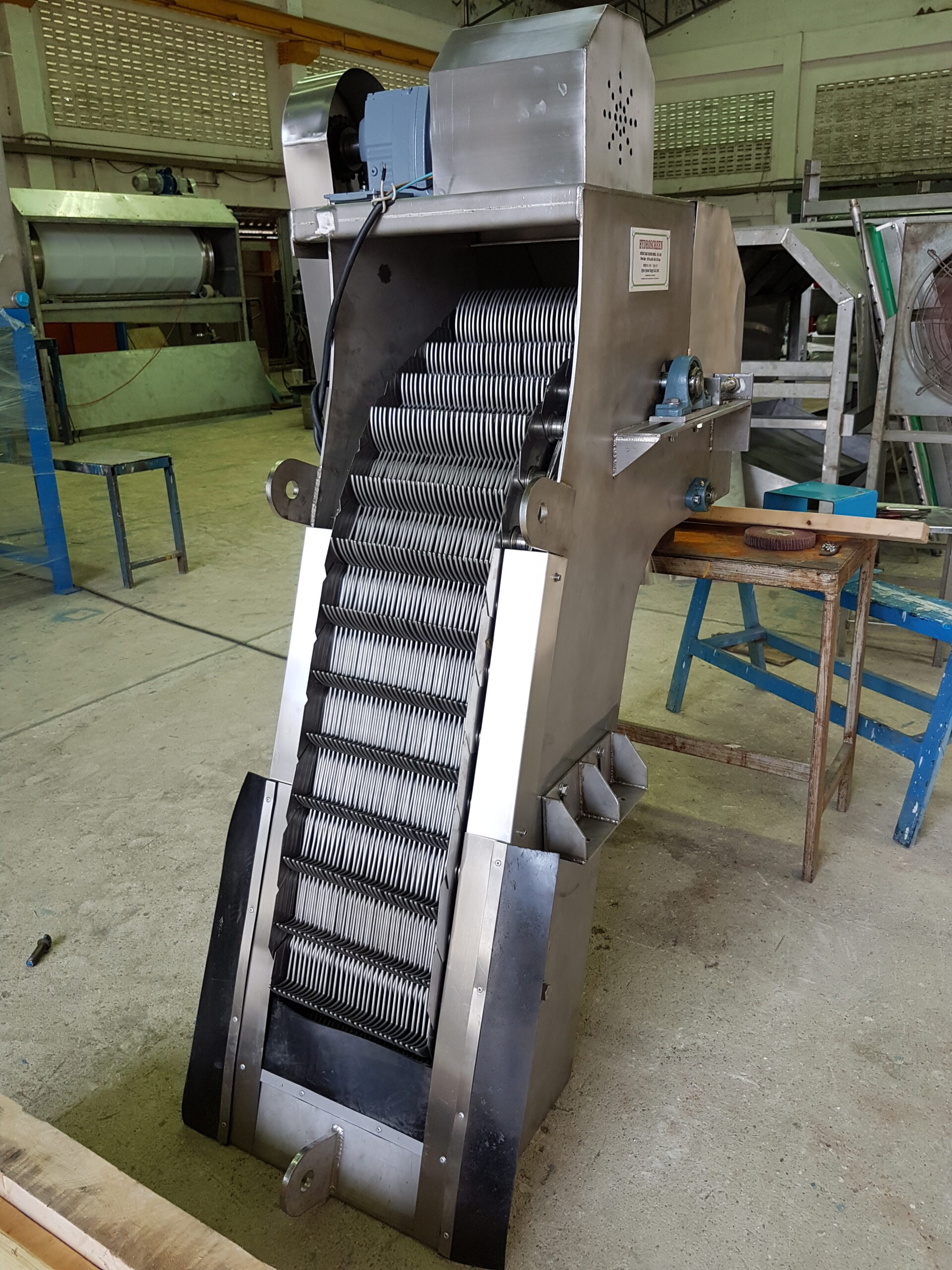
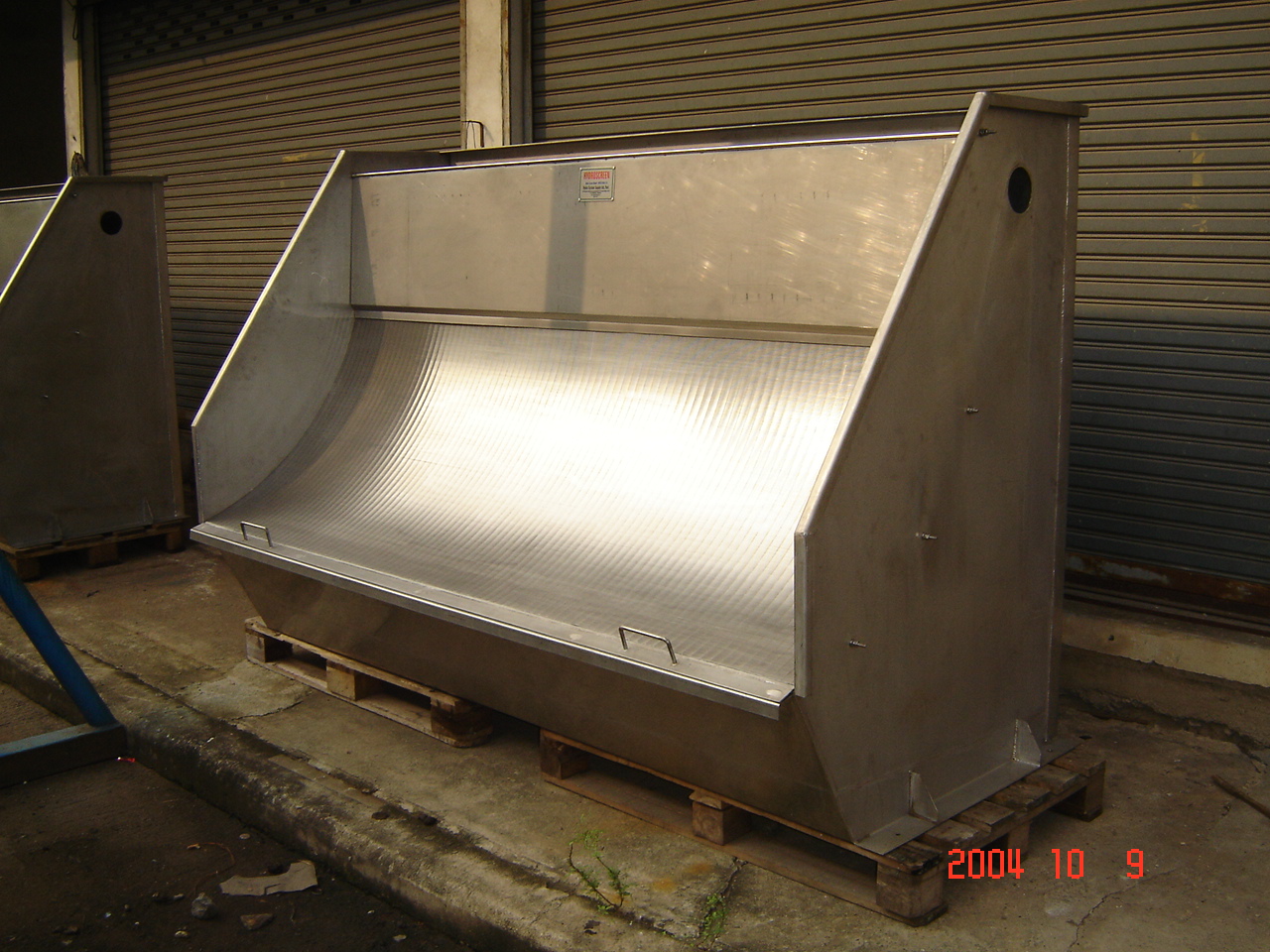
The Bar Screen / Mechanical Bar Screen is a screening machine for capturing large solids in the first stage of a wastewater treatment system, with a rake unit that sweeps waste off the screen bars automatically and continuously. Bar spacing can be selected from 5–50 mm, supporting channel widths of 400–3,000 mm. It is made of coated steel, galvanised steel, or SUS304 stainless steel, helping prevent clogging of pumps and sump pits while reducing labour in waste handling.
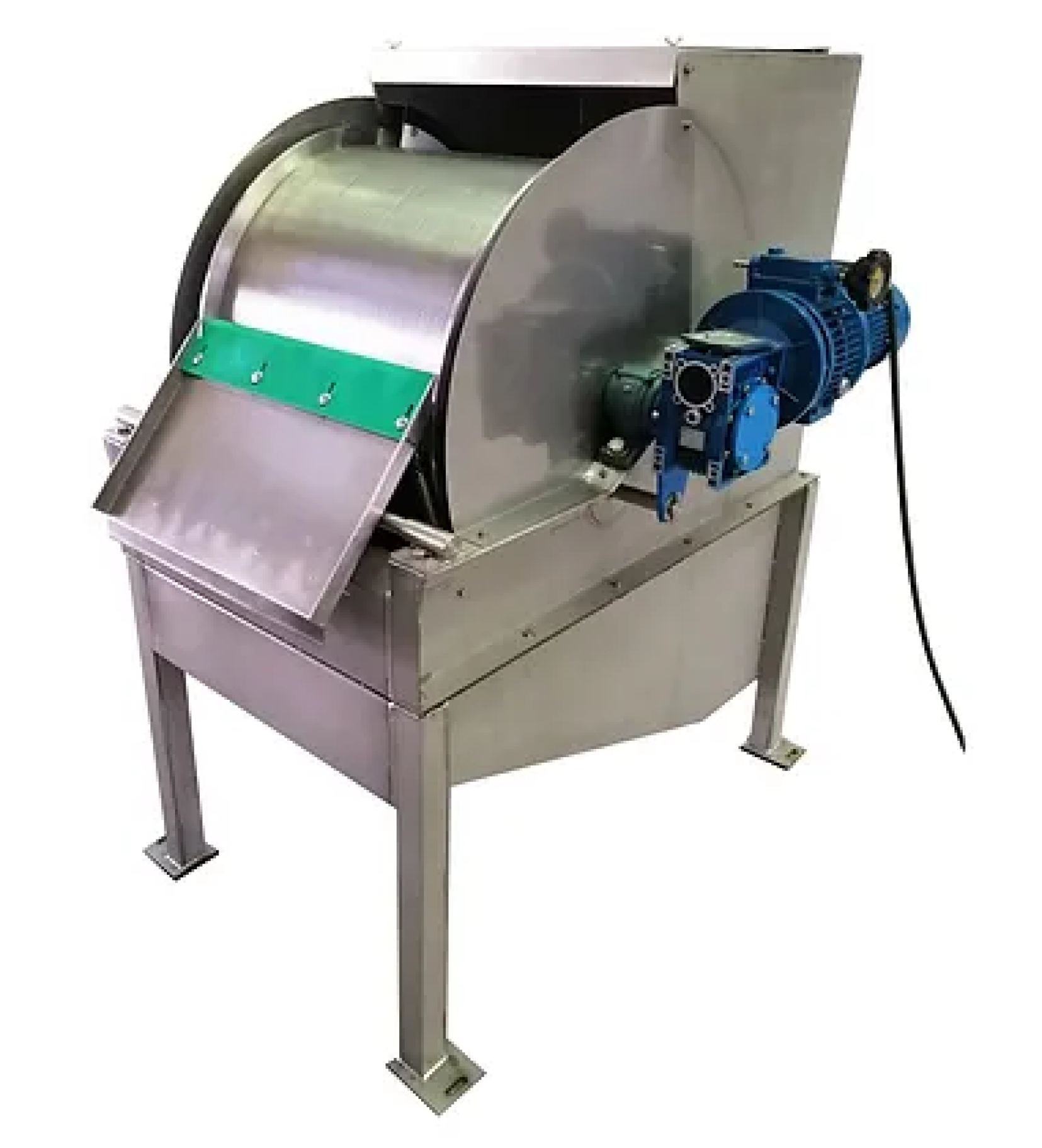
Key Features: Bar Screen
  • Automatic continuous rake unit for sweeping waste, reducing manpower
  • Selectable bar spacing of 5–50 mm
  • Supports channel widths of 400–3,000 mm
  • Several types available, such as Climber Type, Chain Type and Rotating Comb Grid
  • Operation controlled by water level or differential level
  • Structure available in both SUS304 and coated steel
Benefits: Bar Screen
  • Keeps large debris out of wet wells and pumps, reducing clogging and damage
  • Eliminates manual trash-raking labor
  • Operates continuously and automatically 24 hours a day
  • Handles deep channels and heavy debris loads at pumping stations
Working Principle: Bar Screen
  • 1. Wastewater flows through inclined bars set in the channel.
  • 2. Debris larger than the bar spacing is captured in front of the screen.
  • 3. The rake travels upward, automatically clearing debris from the bars and discharging it into a chute above.
  • 4. Operation is controlled by water level or the differential level across the screen.
Supported Industries
  • Wastewater pumping stations and flood-control stations
  • Municipal and community wastewater treatment systems
  • Industrial estates
  • Paper, food, and tannery plants
  • Headworks applications with large volumes of coarse debris
Product Highlights
  • Continuous automatic waste raking, reducing manpower
  • Supports deep pits and high waste volumes
  • Screen type and bar spacing selected to suit the application
  • Strong structure, resistant to wastewater conditions and corrosion